
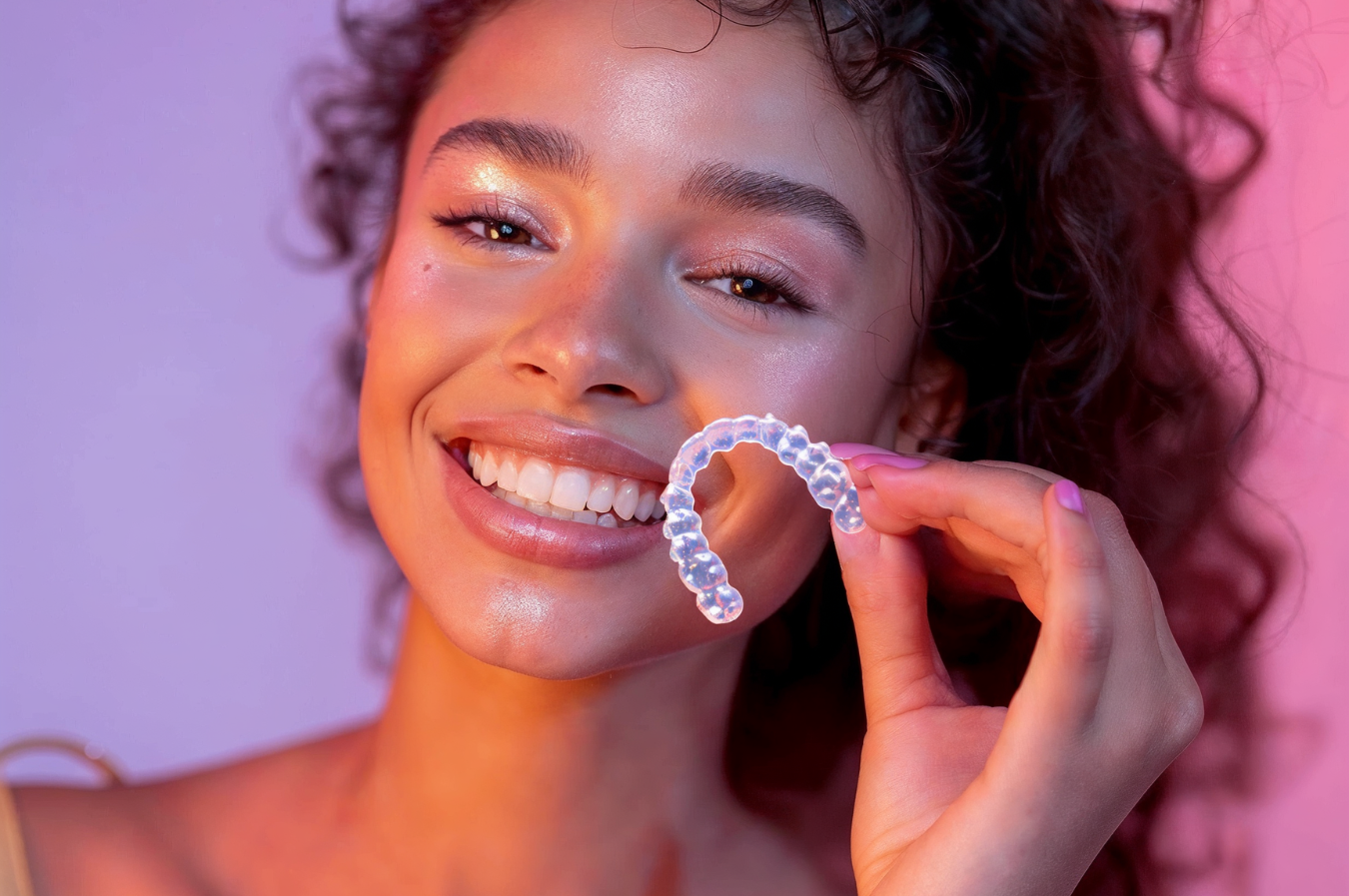
What Does Invisalign Discomfort Actually Feel Like?
Invisalign discomfort is the pressure and tightness you feel when clear aligners apply gentle, controlled force to shift your teeth into better positions. It is not sharp or stabbing. That pressure is actually a good sign, meaning your aligners are doing exactly what they should.
If you’re considering clear aligners, you’ve probably wondered whether straightening your teeth will be uncomfortable. Here’s the short answer: at Dutchess Orthodontics, we hear this question almost daily, and the reality is much more manageable than most people expect. You’ll feel pressure and tightness, not sharp discomfort. Most people feel the strongest tightness during the first two to three days of a new tray, and it fades noticeably by day four or five. Each new tray restarts a milder version of this cycle, so it gets easier as your treatment progresses.
Most folks we work with describe the sensation as tightness or mild soreness, similar to what you might feel after a good workout. It’s temporary, predictable, and gets easier with each new tray. First-time wearers tend to notice more sensation than those who’ve been through a few tray changes, simply because your mouth hasn’t adjusted yet.
Does Invisalign Hurt Week by Week? A Realistic Discomfort Timeline: Day 1 Through Week 2
Most Invisalign discomfort peaks on days two through three of a new tray and fades by day four or five. Knowing what to expect during each phase of your aligner wear can help you prepare and feel more confident about your treatment plan. Here’s a realistic breakdown of the discomfort timeline:
What Does Day 1 Feel Like?
When you first put in a new aligner tray, you’ll feel immediate tightness. This is your teeth beginning micro-movements, tiny shifts that add up to big changes over time. The pressure is most noticeable in the areas where your teeth need the most correction. Some people describe it as their teeth feeling “squeezed,” but it’s manageable and fades quickly. If you’ve ever worn a retainer after braces, the sensation is similar to that first night of wearing it again after a break.
When Does Invisalign Discomfort Peak?
Days two through three are typically when soreness reaches its highest point. You might notice:
- Tenderness when biting down or chewing
- Mild aching in your teeth and gums
- Slight sensitivity to hot or cold foods
- A general awareness of your aligners throughout the day
Don’t worry. This peak is short-lived. By the end of day three, most of the initial intensity has already started to settle.
Days 4 Through 7: The Pressure Eases
By mid-week, you’ll notice real improvement. The tightness eases, chewing becomes more comfortable, and you might even forget you’re wearing aligners at times. Your teeth have settled into their new positions, and the pressure has done its work. For many people, this is when clear aligners start to feel like second nature.
What Should You Expect in Week 2?
During the second week with the same tray, most people report minimal discomfort. The aligner may even feel slightly loose. That’s normal and means your teeth have moved as planned. You’re ready for your next tray.
The New Tray Cycle
Each new tray restarts a milder version of this cycle. Here’s what many people find encouraging: after two or three tray changes, the sensitivity decreases significantly. Your mouth adapts to the process, and what felt noticeable at first becomes barely perceptible. Our orthodontists at Dutchess Orthodontics typically see this pattern with nearly every person who starts clear aligners treatment. The first tray is the toughest, and it’s all downhill from there.
Why Invisalign Discomfort Is Worth It: Key Comfort Advantages
Invisalign offers real comfort advantages over traditional metal braces. The smooth plastic design eliminates bracket irritation. Removable trays let you eat without any discomfort. And gradual force application means less intense soreness at each stage compared to wire tightening.
How Does the Removable Design Improve Comfort?
Being able to take your aligners out for meals is a huge plus. You won’t deal with food getting stuck or the discomfort of chewing with sore teeth pressed against metal hardware. When your teeth feel tender, you can give them a short break while eating soft foods.
- Smooth plastic edges eliminate the bracket and wire irritation common with traditional metal braces
- You can eat and brush without any awkward maneuvering, since the trays come right out
- No emergency visits for broken wires or brackets poking your cheeks
Why Does Gradual Force Mean Less Soreness?
Unlike wire tightening, which applies a larger force all at once, clear aligners use incremental movements spread across sequential trays. Each tray shifts your teeth just a fraction of a millimeter.
- Aligner chewies help seat your trays properly and distribute pressure evenly, which can actually reduce tenderness
- Simple at-home management puts you in control of your comfort throughout your clear aligner treatment
Invisalign vs. Braces: Which Hurts More?
Invisalign causes less overall discomfort than traditional metal braces because smooth plastic eliminates cheek and lip irritation from brackets. Here’s an honest side-by-side look:
| Factor | Invisalign | Traditional Metal Braces |
|---|---|---|
| Type of discomfort | Pressure and tightness | Pressure plus soft-tissue irritation |
| Peak soreness duration | 2 to 3 days per new tray | 3 to 5 days after adjustments |
| Cheek and lip irritation | Rare (smooth plastic) | Common (brackets and wires) |
| Eating comfort | Can remove for meals | Must eat with hardware in place |
| Emergency discomfort | Uncommon | Broken wires and loose brackets possible |
According to AAO patient education guidelines (source: American Association of Orthodontists, aao.org), both treatment methods involve orthodontic pressure. That’s how teeth move. Discomfort is normal and expected with any type of orthodontic care. People who wear clear aligners often report lower overall discomfort, primarily because they avoid the soft-tissue irritation that brackets cause.
The adjustment soreness with traditional metal braces can also last longer than Invisalign tray switches. Wire tightening applies force differently than the incremental movements of sequential aligners. If you’re weighing your options, our braces vs. Invisalign comparison page breaks down the differences in more detail.
How to Relieve Invisalign Soreness: Proven Tips That Work
Seven proven tips help reduce Invisalign soreness at home. These are strategies our orthodontists at Dutchess Orthodontics recommend regularly, and they work well for people of all ages. When you feel pressure from a new tray, try these:
- Switch to new trays at bedtime. You’ll sleep through the peak tightness period and wake up with the worst behind you.
- Use orthodontic wax on irritating edges. If any part of the tray rubs your gums, a small piece of wax creates a smooth barrier.
- Try cold water or ice packs. Cold reduces inflammation and naturally numbs soreness in your mouth.
- Take over-the-counter relievers. Ibuprofen or acetaminophen during peak days can take the edge off.
- Use aligner chewies. These small foam cylinders help seat your trays properly and can actually reduce discomfort.
- Stick with soft foods during peak days. Give your teeth a break from hard chewing when they’re most sensitive.
- Keep your aligners in. Removing trays frequently can extend the adjustment period and increase overall soreness.
When Invisalign Discomfort Isn’t Normal: Signs to Contact Your Orthodontist
Certain symptoms during Invisalign treatment warrant a call to your orthodontic team. While mild pressure is expected, watch for these signs:
- Sharp or persistent soreness lasting beyond 3 to 4 days
- Bleeding gums that don’t improve with gentle brushing
- Extreme sensitivity that prevents eating or drinking
- Jaw soreness or clicking that wasn’t present before treatment
- Visible sores or cuts from tray edges
Ill-fitting trays can cause unnecessary pressure on the wrong teeth, leading to discomfort that shouldn’t happen. Your orthodontist can check the fit and make adjustments if needed.
Don’t wait it out if something feels off. A quick check can often resolve issues before they become bigger problems. That kind of proactive care is what makes the difference between a smooth experience and an unnecessarily frustrating one.
Frequently Asked Questions About Invisalign Soreness
Does Invisalign hurt more than braces?
In most cases, no. The main reason? You avoid the cheek and lip irritation from brackets and wires. Both methods involve tooth-moving pressure, but Invisalign’s smooth plastic design eliminates a major source of soreness.
How long does Invisalign soreness last?
About two to three days after switching to a new tray, that’s when it peaks. By day four or five, the pressure typically fades. The pattern repeats with each new aligner, but the intensity usually decreases as your mouth adapts. You can read more about what the full clear aligner treatment process looks like on our site.
Does Invisalign hurt when you take it out?
Here’s the thing: you might feel mild pressure or a slight “pop” when removing your aligners, especially with a new tray. This is normal. If removal causes significant discomfort, mention it at your next visit so your orthodontist can check the fit.
Can I take medication for Invisalign discomfort?
Yes. Over-the-counter options like ibuprofen or acetaminophen work well for managing peak-day soreness. Many people find they only need relief during the first day or two with a new tray, if at all.
Why does my Invisalign hurt more at night?
Think about it this way: consistent wear builds up pressure throughout the day. By evening, your teeth have been under continuous gentle force, and you’re also more aware of your mouth when you’re trying to fall asleep. Switching to new trays at bedtime actually helps because you sleep through the most intense adjustment period.
Will the discomfort get better over time?
Yes, and most people are surprised by how quickly. After two to three tray changes, the discomfort becomes much more manageable. It’s one of the most common things people tell us at their follow-up visits at Dutchess Orthodontics.